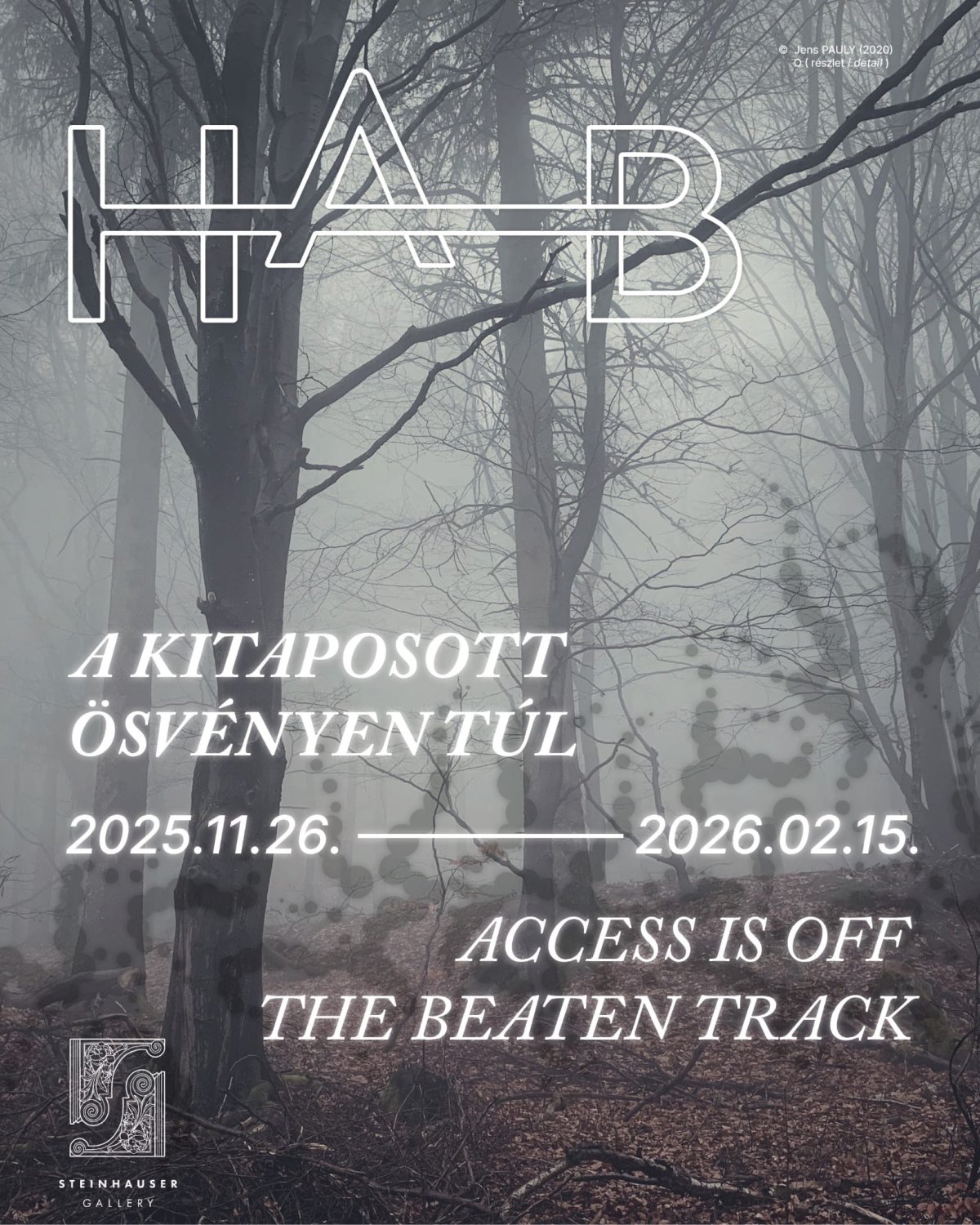
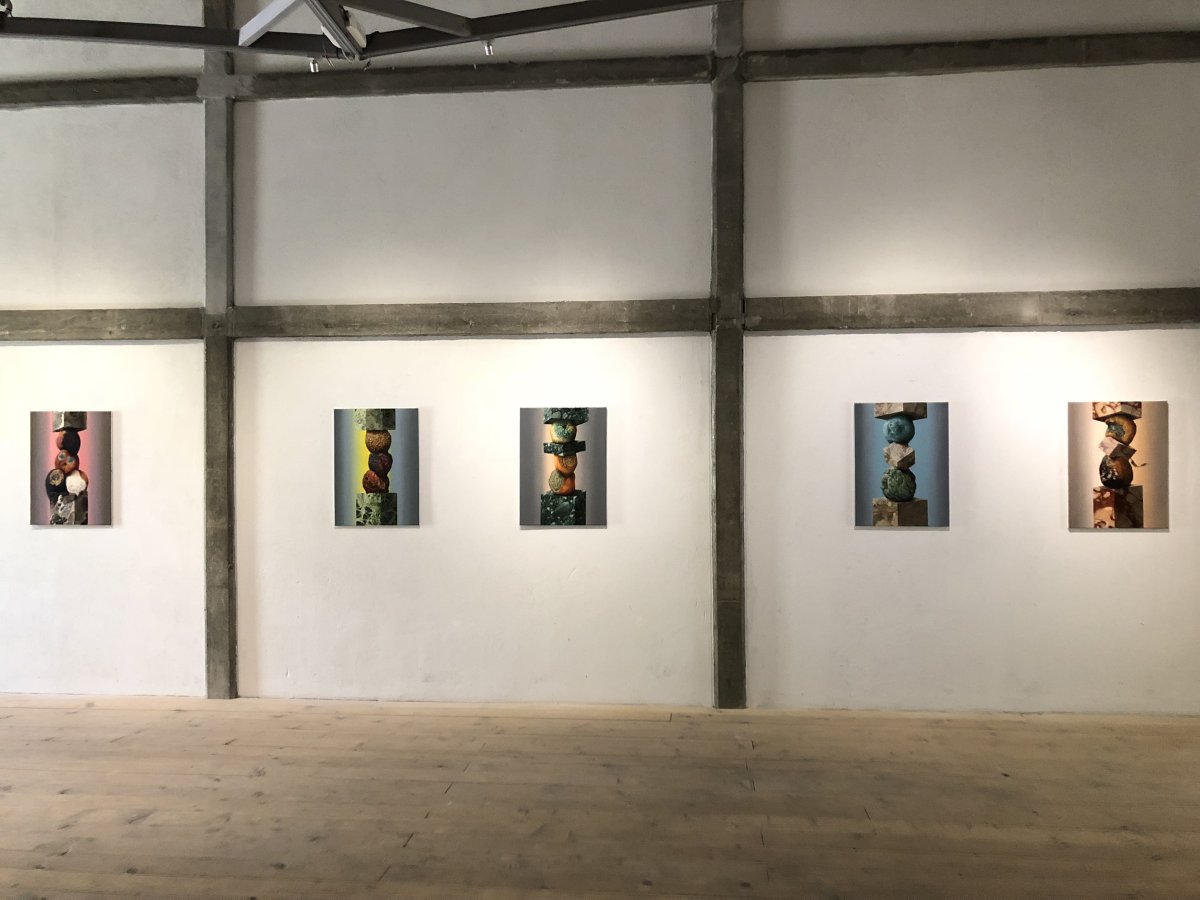
Access Is off the Beaten Track
(Patrik Steinhauser)
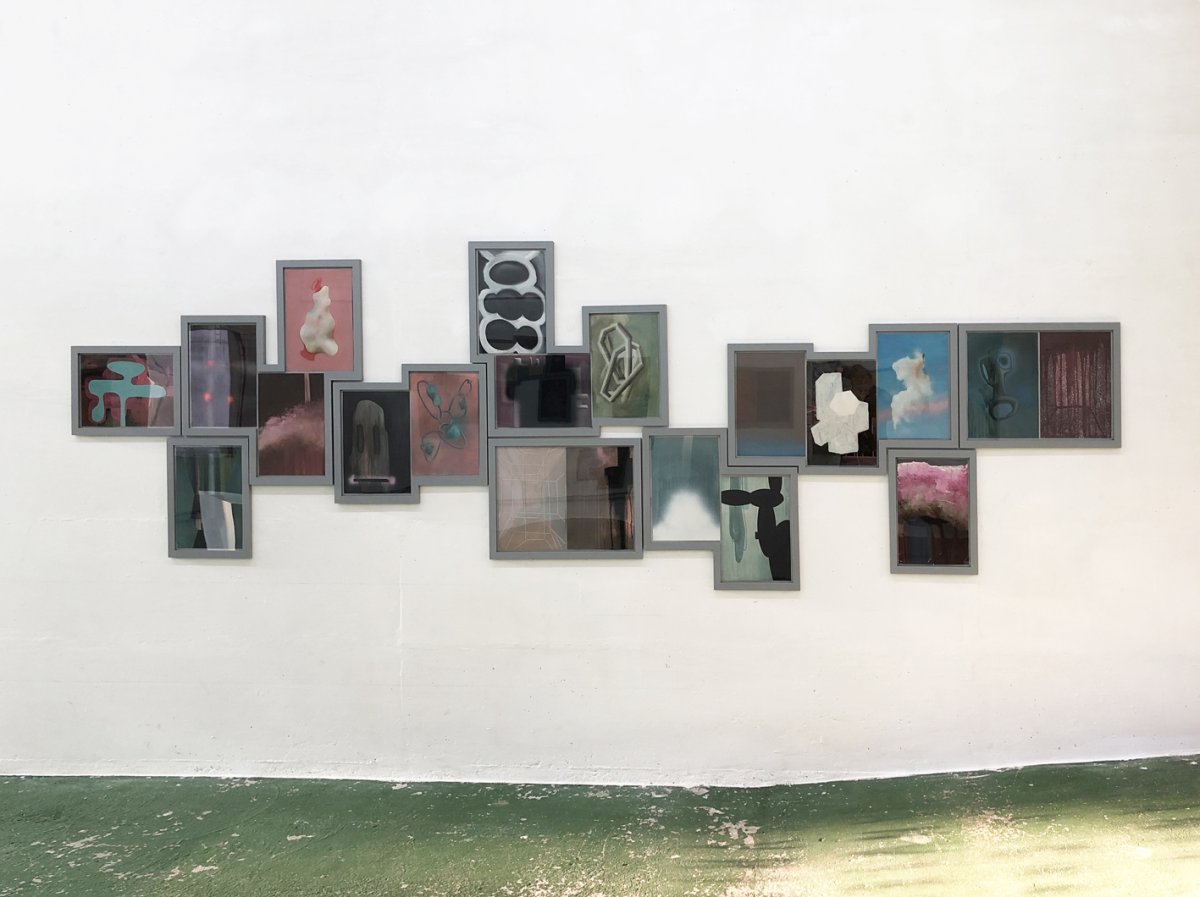
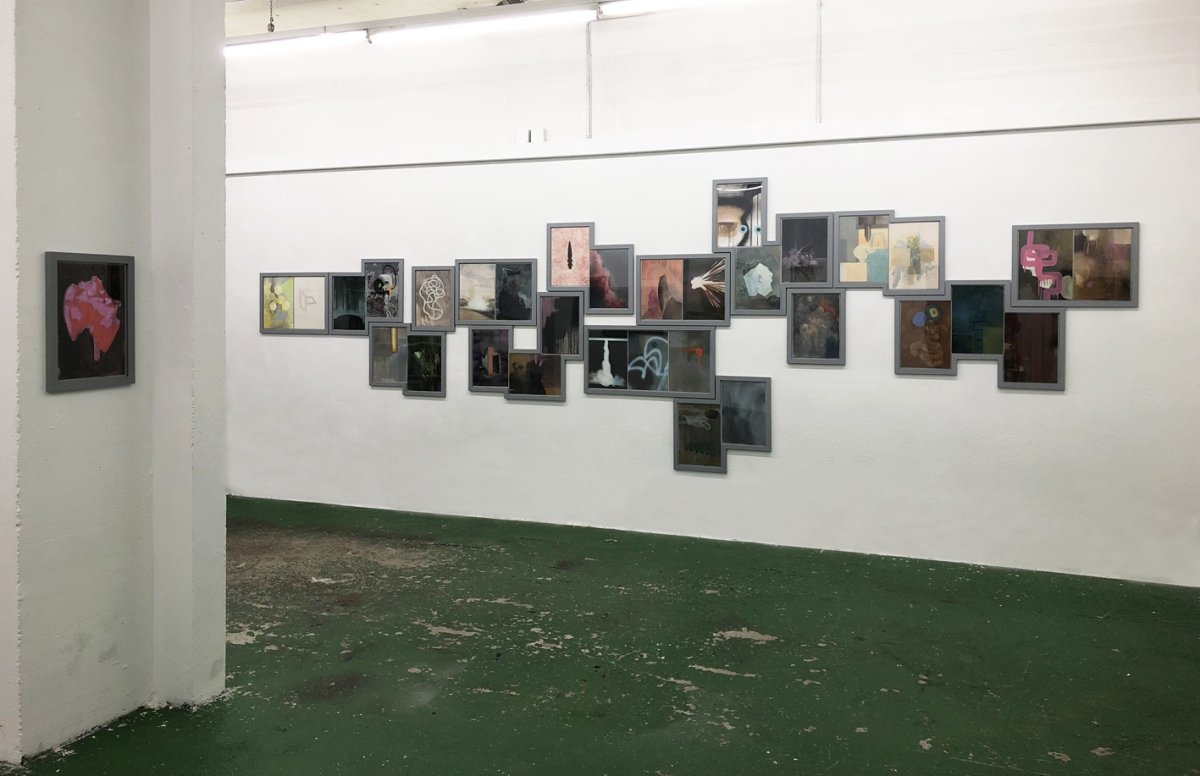
Life unfolds as in a shadow theatre of the soul, the spirit, and the perception of what was, what is, and what could be. In a world determined by visibility, speed, and surfaces, the question of light and darkness has been around for thousands of years – or even longer. What is the meaning of radiance, brightness, luminosity, or enlightenment – and what of their absence: darkness, twilight, dimming? This question resounds within the silence of its own contemplation. Light is not just the visible, the illuminating; it is also the moment of clarity, the spark emerging from the encounter with darkness. The absence of radiance, the veil of darkness, the realm of shadows into which we fall when everything seems tangible, marks not an end but rather the origin of a deeper seeing. It is precisely in times of inner or outer darkness that the creative power that arises from suffering, uncertainty or despair unfolds. The experience of the night invites reflection and self-encounter, opening up a space in which the inner glow becomes visible in a new dimension.
Here, obscurity is not merely the absence of rays of light, but a presence of its own. In alchemical traditions, the Nigredo, the “black phase,” marks the prerequisite for every transmutation – the seemingly dead becomes the source of the new. Visions, dreams, and the engagement with archetypal shadow images show that darkness and twilight boast a creative reservoir allowing for psychological depth and aesthetic innovation. It is both a medium and a trigger, challenging the observer to engage, reflect and perceive. Every act of observation thus becomes a moment of creation, an entry into a world of its own, in which light, shadow and form are not granted.
Radical constructivism, as formulated by Heinz von Foerster, makes it clear that knowledge is never objective. Knowledge and perception arise in the interaction between the observer and the world. Every moment of seeing, every experience is an individual act of creation. A viewer of a work of art participates as an active co-creator. The work does not exist independently but is constituted by an individual’s perception and interpretation. Shadows, darkness, and obscurity become a living reality through the viewer’s attention. This interaction gives rise to a microcosmic world where personal experience, intuition, and reflection act immediately.
Mark Fisher shows that the present is haunted by the ghosts of the past – by lost prospects for the future that were never realized. In a world where the future seems impossible or lost, these ghosts interweave with the structures of the present, and darkness becomes the medium in which they are revealed. Art thus becomes a place where these lost possibilities resonate, as fleeting apparitions between twilight and radiance. The viewer is invited to confront these ghosts, reflect on them, and translate them into their own experience. Fisher’s hauntology complements the radical constructivist approach: perception is not only an individual act of creation, but also a dialogue with the shadows of history, a listening to the lost voices of time.
The encounter with darkness, twilight and heaviness opens up a process of inner transformation. Anyone who engages with the work enters a hall of mirrors, where thoughts, emotions and memories are revealed in a personal creative process. This works on two levels: the intellectual one, analysing structures of light and shadow, recognizing relationships and constructing meanings; and the meditative one, as perception itself becomes an action, an experience beyond rational control.
The obscure and the dark are not the opposite of light, rather its precondition. This field of tension gives rise to new realms, truths, and world views. Darkness allows us to recognize inner structures, to enter the shadows of the psyche and to bring forth new light. It invites us to engage with the indeterminate, the unclear, the obscure and to shape our own worlds from it.
The combination of darkness, heaviness, radical constructivist epistemology and Fisher’s concept of the “lost future” leads to a clear insight: every observation is a creative act. Whoever enters this process not only creates a subjective reality, but also enters a world in which light and shadow, heaviness and hope, reflection, memory, and creative action are inextricably interwoven.
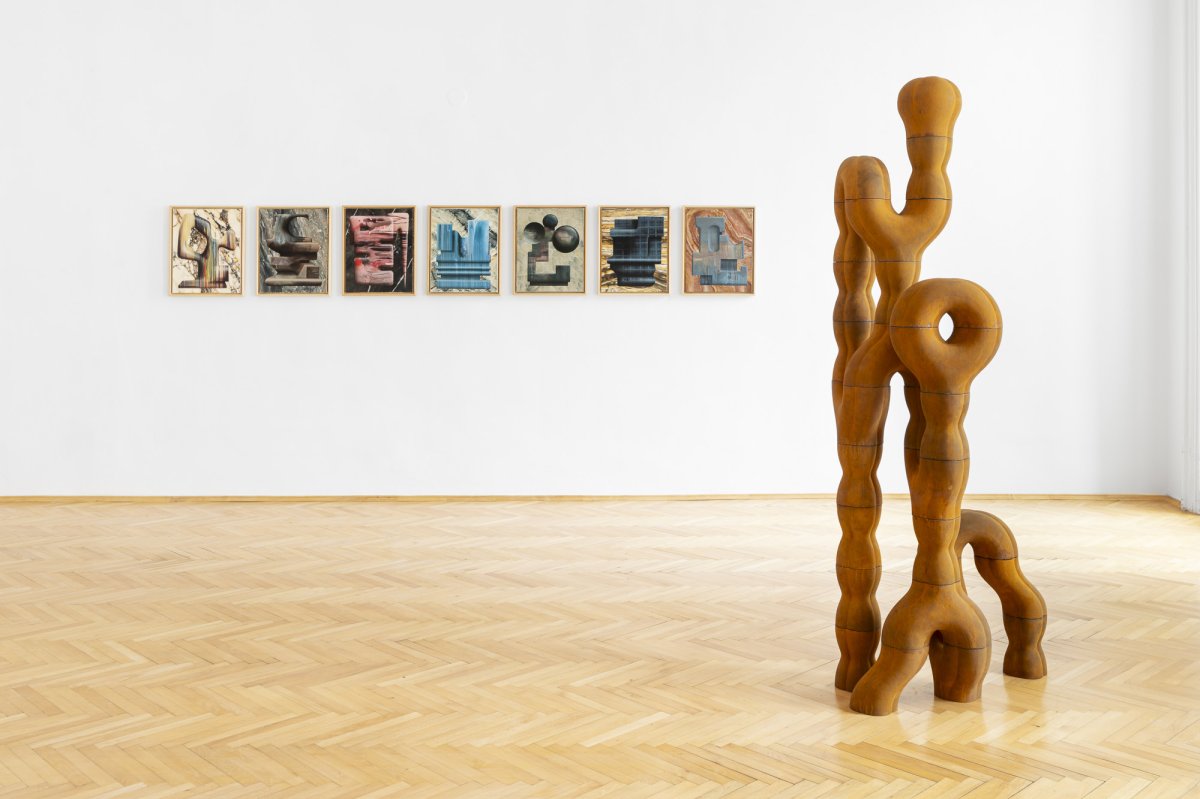
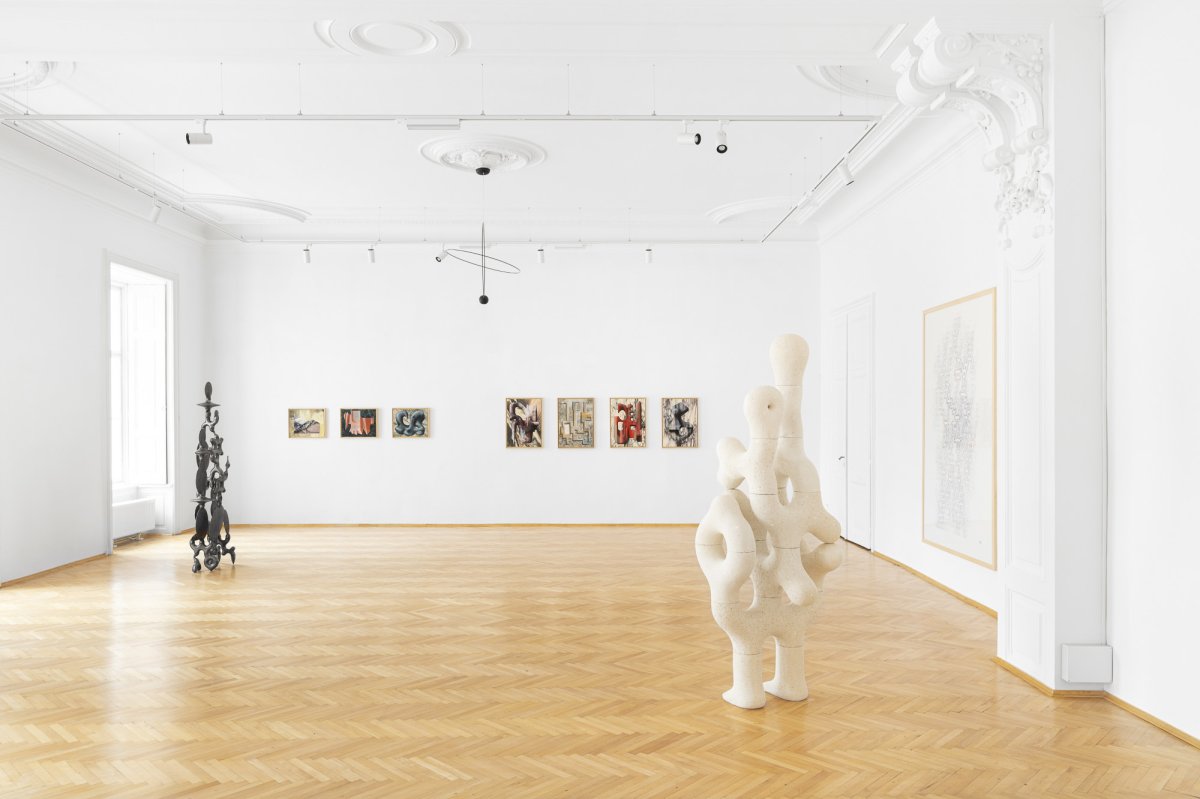
Thus, the title of this observation reveals itself: “Access Is off the Beaten Track.” It alludes to those spaces that elude conventional ways of seeing, to paths that are hidden, obscured and yet full of possibilities. In the confrontation with darkness, twilight and obscurity, the viewer becomes a discoverer of their own perception, a co-creator of reality and imagination. The beaten track is abandoned, not to avoid the familiar, but to create new worlds in the encounter with the indeterminate. “Off the beaten track” reveals the power of art as a transformative experience, as a realm in which every perception is an act of creation, and every shadow carries the possibility of enlightenment.